

Maintaining a lush, weed-free lawn is one of the most common challenges homeowners and turf professionals face. Weeds compete with turfgrass for sunlight, water, and nutrients, and if left unmanaged, they can quickly take over a lawn, reducing aesthetic appeal and turf health. The key to successful weed control is choosing the right weed killer for lawn type based on specific types and weed problem, and applying it at the proper time with correct techniques.
In this extensive guide, you’ll learn:
- How weed killers for lawns are categorized
- How they work
- When and how to apply them
- Best products for common weed types
- How to protect turf during weed control
- Safety and environmental considerations
Let’s dive in.
Understanding Weed Killers: Fundamental Concepts
Before we talk about “the best weed killers,” it’s important to understand how they are classified and why that matters.
Selective vs. Non-Selective Weed Killers
Selective weed killers target specific weeds without harming desirable turfgrass. These are your go-to products for use directly on lawns.
Non-selective weed killers kill most plants they contact—weed or turf. These are best for driveways, gardens, bed edges, or spot treatments where turf removal is acceptable.
If your goal is to kill weeds without damaging your lawn, you’ll almost always use selective weed killers.
Pre-Emergent vs. Post-Emergent Herbicides
Pre-emergent herbicides prevent weed seeds from germinating. They don’t kill existing weeds, but they can stop future generations before they sprout.
Common pre-emergent uses:
- Control crabgrass and annual grassy weeds
- Suppress annual broadleaf weed seedlings
Examples: prodiamine, dithiopyr, pendimethalin.
Post-emergent herbicides kill actively growing weeds. They’re formulated to affect either broadleaf or grassy weeds (or both).
Examples: 2,4-D, dicamba, MCPP, glyphosate, quinclorac.
Common Lawn Weeds and Their Control Categories
Understanding which weeds you’re treating helps you choose the best product.
| Weed Type | Common Examples | Best Kill Method |
|---|---|---|
| Annual Grassy Weeds | Crabgrass, Foxtail | Pre-emergent prevention + post-emergent when young |
| Perennial Grassy Weeds | Bermudagrass in cool lawns | Post-emergent herbicides designed for turf |
| Broadleaf Weeds | Dandelion, clover, plantain, chickweed | Post-emergent broadleaf herbicides |
| Hard-to-Control Broadleaf | Ground ivy, bindweed | Specialized post-emergent blends |
How Weed Killers Work: Modes of Action
Systemic Herbicides
These are absorbed by the leaves and travel throughout the weed’s system, killing roots as well as shoots. Examples include:
- Glyphosate
- 2,4-D
- Dicamba
Systemic action is essential for perennial weeds and deep-rooted species.
Contact Herbicides
These kill only the plant tissue they touch. Examples:
- Paraquat
- Pelargonic acid (organic)
Useful for quick top-growth control, but regrowth may occur.
Safety and Lawn Protection
Even the best weed killer becomes ineffective if used improperly. Always:
- Read the product label thoroughly
- Avoid application on stressed turf (heat, drought)
- Keep children and pets away until dry
- Protect desirable plants from drift
For lawns, selective post-emergent products are generally safe when used as directed.
Best Pre-Emergent Weed Killers for Lawns
1. Prodiamine
Prodiamine is one of the most widely used pre-emergent herbicides for controlling annual grassy weeds like crabgrass.
Why it works well
- Long-lasting soil barrier
- Effective against many annual weeds
- Soil residual action prevents seedling growth
Best Use
- Apply early spring before soil temps hit ~55°F
- Good for large lawns needing persistent control
2. Dithiopyr
Dithiopyr provides both pre-emergent prevention and early post-emergent control of young grassy weeds.
Key Advantages
- Offers some early post-emergent activity
- Works on crabgrass up to early tillering stage
Best Use
- Spring application when crabgrass seeds begin germination
3. Pendimethalin
Pendimethalin controls many annual grasses and some broadleaf weeds when applied as a pre-emergent.
Features
- Affordable
- Good residual control
- Works well in turfgrass and landscape beds
Best Use
- Spring and sometimes late summer for fall annuals
Best Post-Emergent Weed Killers for Lawns
Broadleaf Weed Control
Broadleaf weeds are common in lawns and often the target of homeowner weed control.
1. 2,4-D Formulations
2,4-D is a core active ingredient in many lawn weed killers.
Good for
- Dandelion
- Clover
- Chickweed
- Plantain
Used alone or in combination blends.
2. Dicamba
Dicamba is used in combination with other actives for better broadleaf control. Often paired with 2,4-D known as a “three-way” formula.
Works against
- Tough broadleaf species
- Enhanced efficacy when mixed
3. MCPP (Mecoprop)
MCPP is another common ingredient in broadleaf mixtures, improving control on certain weeds.
4. Multi-Action Blends
Many lawn weed killers combine 2,4-D, dicamba, MCPP, and sometimes more.
These combinations provide broad spectrum broadleaf control without injuring tolerant turf species.
Examples
- Weed killers labeled safe for:
- Kentucky Bluegrass
- Tall Fescue
- Perennial Ryegrass
- Bermudagrass (in warm regions)
Post-Emergent Control of Grassy Weeds
While broadleaf control is common, controlling grassy weeds such as crabgrass (once emerged) is more difficult because they resemble turf species.
1. Quinclorac
Quinclorac targets:
- Crabgrass
- Annual bluegrass
- Some broadleaf species like clover
Often found in specific post-emergent grassy weed products.
Best Use
- Apply when grassy weeds are small and actively growing
2. Fenoxaprop / Fluazifop
These herbicides are effective against certain grassy weeds and are used in turfgrass weed control products.
Special Notes
- Timing and turf sensitivity matter
- Not all turf types tolerate these actives equally
Organic Weed Killers: What Works and What Doesn’t
Not all weed killers must be synthetic chemicals. Organic options exist, though they have limitations.
Acetic Acid (Horticultural Vinegar)
Strong vinegar can burn top growth but lacks systemic activity. Best for:
- Spot treatment of newly germinated weeds
- Bareground areas
Herbicidal Soaps and Oils
Sometimes marketed as “organic,” these compounds damage surface tissues on contact.
Limitations:
- Regrowth likely
- Not effective on perennial weeds
Organic weed killers work best as supplemental tools, not primary controls in most lawns.
Choosing the Right Weed Killer for Your Lawn
Step 1: Identify Your Turfgrass
Different grasses tolerate different herbicides.
Common turf types include:
- Kentucky bluegrass
- Tall fescue
- Perennial ryegrass
- Bermudagrass
- Zoysia grass
- St. Augustine grass
Always choose weed killers labeled safe for your turf type.
Step 2: Identify the Weed
Accurate identification is crucial.
For example:
- Dandelion is a broadleaf weed
- Crabgrass is a grassy weed
- Chickweed is a broadleaf weed
A product that controls broadleaf weeds won’t kill grassy weeds like crabgrass.
Step 3: Consider Timing
Some weeds are best controlled before emergence (pre-emergent). Others need post-emergent control.
Timing calendars often depend on soil temperatures and regional climate patterns.
Application Tips for Best Results
- Apply when weeds are actively growing
- Avoid mowing 2–3 days before and after application
- Use an appropriate sprayer or spreader
- Follow label directions precisely
- Water only if the product requires it
Proper application maximizes control and minimizes turf damage.
Weed Killers by Common Lawn Weed Types
Crabgrass
- Best pre-emergent: prodiamine, dithiopyr, pendimethalin
- Post-emergent option: quinclorac or products containing it
Timing is critical: pre-emergent must be applied before germination.
Dandelion
- Broadleaf herbicides with 2,4-D, dicamba, MCPP
- Can take two treatments in a season
Clover
- Similar broadleaf herbicides (2,4-D blends)
Chickweed
- Broadleaf products
- Spring and fall applications often necessary
Plantain
- Broadleaf herbicides
- Multiple applications may be needed
Nutsedge (not a broadleaf, not a grass)
- Requires specialized products containing halosulfuron or sulfentrazone
Nutsedge control is different from most other weeds and requires specific herbicides.
Professional-Grade vs Consumer Herbicides
Consumer products are designed for ease of use and safety, but professional formulations often provide:
- Higher active ingredient concentration
- Larger coverage areas
- Lower cost per acre
If you have a large property or persistent weed issues, consider professional-grade products used with proper PPE and equipment.
Safety and Environmental Concerns
Though effective, herbicides must be applied responsibly.
- Avoid windy applications (drift risk)
- Do not apply before heavy rain
- Keep children and pets off lawn until spray dries
- Follow disposal instructions
- Use protective gear (gloves, eye protection)
Environmental safety also means avoiding overuse—only treat what’s necessary.
Weed Control Program vs One-Time Treatment
One application often isn’t enough, especially for recurring weeds like:
- Crabgrass
- Nutsedge
- Ground ivy
- Annual bluegrass
Developing a weed control program involving:
- Pre-emergent timing
- Post-emergent spot treatments
- Lawn maintenance practices
- Seasonal adjustments
is far more effective than ad-hoc spraying.
Weed Prevention Through Lawn Care Practices
Great lawns rarely have big weed problems. General lawn health practices that reduce weed pressure include:
Proper Mowing
- Mow at recommended height
- Keep mower blades sharp
- Avoid scalping
Adequate Fertilization
- Balanced nutrient supply
- Avoid over-fertilizing
Proper Irrigation
- Deep, infrequent watering
- Avoid constant surface moisture
Aeration
- Reduces compaction
- Improves root depth and health
Healthy turf outcompetes many weed species naturally.
Special Weed Problems and Solutions
Annual Bluegrass (Poa annua)
Control requires early pre-emergent and selective post-emergents designed for turf.
Kikuyugrass
A warm-season perennial weed requiring specific post-emergent products.
Nutsedge
Requires specific herbicides containing halosulfuron or sulfentrazone.
Integrated Weed Management (IWM)
The best long-term weed control strategy uses multiple tools:
- Chemical weed killers
- Cultural practices
- Lawn renovation
- Overseeding
- Proper watering and fertilization
Think of weed control as a year-round routine, not a one-shot fix.
Final Recommendations: Best Weed Killers by Use Case
Best for Broadleaf Weeds in Cool-Season Lawns
- 2,4-D + dicamba + MCPP blends
- Safe for Kentucky bluegrass, tall fescue, ryegrass
Best for Crabgrass Prevention
- Prodiamine
- Dithiopyr
- Pendimethalin
Best for Grassy Weed Control (post-emergent)
- Quinclorac-containing products
Best for Nutsedge
- Sulfentrazone or halosulfuron products

Final Thoughts
There’s no single “best weed killer for lawns” that works for every situation. The right choice depends on:
- Lawn grass type
- Weed species present
- Timing and seasonal conditions
- Regional climate
- Lawn health
Effective weed control is a mix of smart product selection, correct timing, and strong lawn care practices. When you combine selective weed killers with proper mowing, fertilization, and irrigation, your lawn will be healthier—and weeds will become less of a problem.

- WEED KILLER PLUS LAWN FOOD: Scotts Turf Builder Weed & Feed3 weed killer plus fertilizer for grass kills existing listed weeds and feeds to thicken your lawn and crowd out future weeds
- WEED CONTROL FOR LAWNS: These weed killer plus lawn fertilizer granules control over 50 listed lawn weeds, including clover, dandelion, plantain, morningglory, chicory, eveningprimrose, and purslane
- WEED AND FEED FOR LAWNS: Apply this combination weed control and lawn food to your wet lawn when weeds are actively growing and daytime temperatures are consistently between 60°F and 90°F; don’t apply more than 2X per year
- USE ON LISTED GRASS TYPES: Apply this lawn care product to Bahiagrass, Bermudagrass, Bluegrass, Centipedegrass, Fescue, Ryegrass, and Zoysiagrass (temporary discoloration may occur on some grasses)
- DO NOT USE ON: Do not use this weed killer for lawns on St. Augustinegrass (including Floratam), Dichondra, Lippia, Carpetgrass, and Bentgrass lawns

- WEED KILLER SPRAY FOR LAWNS: With a simple hose-end application, kill weeds in your lawn, including dandelions, chickweed, clover, crabgrass and foxtail with Ortho WeedClear Lawn Weed Killer Ready-to-Spray
- FAST-ACTING WEED CONTROL: This weed killer hose sprayer kills listed weeds like crabgrass, dandelion, clover, chickweed and creeping charlie down to the root and gets results with 1 application
- COVERAGE: This 32 fl. oz. container of Ortho WeedClear Lawn Weed Killer Ready-to-Spray provides up to 5,000 sq. ft. of lawn care
- HOW TO USE: Apply to listed lawn weeds that are young and actively growing by connecting your garden hose to the weed killer sprayer, sliding the switch to “ON” and spraying evenly until the lawn is wet
- WHERE TO USE: This spray weed killer for lawns won’t harm lawn grasses when used as directed – use on lawn grasses including Bermudagrass, Buffalograss, Fescues, Kentucky Bluegrass, Ryegrass and Zoysiagrass

- KILLS WEEDS – NOT THE LAWN: When used as directed
- VISIBLE RESULTS IN 5 HOURS: Conquer unruly weeds and see visible results in as fast as 5 hours
- KILLS 470+ WEED TYPES AS LISTED: Kills broadleaf and grassy weeds including dandelion, chickweed and clover as well as crabgrass and yellow nutsedge – see product label for complete list of weed types
- KILLS THE ROOT: Kills weeds by contact down to the root
- READY-TO-USE FORMULA: No mixing required
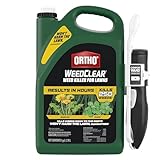
- LAWN FRIENDLY FORMULA: Our lawn friendly weed killer spray formula contains three proven ingredients that specifically target common lawn weeds, so it won’t harm your grass (when used as directed)
- EASY APPLICATION: The continuous spray Comfort Wand weed killer sprayer applicator makes it easy to apply for lawn care, allowing for precise spray control and maximum accuracy without any pumping required
- LAWN WEED CONTROL: Use Ortho WeedClear Weed Killer for Lawns with Comfort Wand, a lawn weed killer, to kill weeds down to the root without harming your grass (when used as directed), with visible results in hours
- KILLS OVER 250 WEEDS: This broadleaf weed killer for lawns targets over 250 common broadleaf lawn weeds, including dandelions, clover, poison ivy, chickweed, and dollarweed (see product label for complete weed list)
- FAST VISIBLE RESULTS: See visible results in hours; this lawn care formula that is rainproof in 1 hour after drying, and people and pets may re-enter the treated area after the spray has dried

- KILL WEEDS NOT YOUR LAWN: Use Ortho WeedClear Weed Killer for Lawns Ready-To-Spray weed killer sprayer to kill weeds down to the root, without harming your lawn (when used as directed); you’ll see visible results in hours
- HOW TO USE: To apply this herbicide weed killer, connect your garden hose to the sprayer, slide the switch to ‘ON’ to begin spraying; visible results in hours; rainproof in 1 hour upon drying; people and pets may enter the treated area after dried
- LAWN FRIENDLY: This weed spray contains three proven ingredients that target common lawn weeds, so it won’t harm your grass (when used as directed)
- LAWN WEED KILLER: This broadleaf weed killer for lawns kills over 250 common broadleaf weeds, including dandelions, clover, poison ivy, chickweed, and dollarweed (see product label for complete weed list)
- COVERAGE: One 32 fl. oz. container of Ortho WeedClear Weed Killer for Lawns Ready-to-Spray provides lawn care for up to 16,000 sq. ft. for Southern lawns or 8,000 sq. ft. for Northern lawns
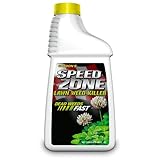
- Visible results in hours – Reseed in just two weeks
- Covers from 14,000 to 18,000 square feet – perfect for large property owners
- Rapid and effective weed control for common and troublesome weed species in turfgrass
- Does not harm lawn grasses – Cool Weather Performance
- RESTRICTED: This product can NOT be shipped to the following states: AK, DC, MA, NJ,VT.
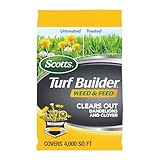
- WEED AND FEED FOR LAWNS: Apply this combination weed killer for grass and lawn food to your wet lawn when weeds are actively growing and daytime temperatures are consistently between 60°F and 90°F; don’t apply more than 2X per year
- WEED KILLER PLUS LAWN FOOD: Scotts Turf Builder Weed & Feed5 weed killer plus fertilizer for grass is a clover and dandelion killer for lawns that also feeds to thicken your lawn and crowd out future weeds
- DO NOT USE ON: Do not use this grass fertilizer for lawns plus yard weed killer on St. Augustinegrass (including Floratam), Dichondra, Lippia, Carpetgrass, and Bentgrass lawns
- USE ON LISTED GRASS TYPES: Apply this lawn care product to Bahiagrass, Bermudagrass, Bluegrass, Centipedegrass, Fescue, Ryegrass, and Zoysiagrass
- WEED CONTROL FOR LAWNS: These Scotts weed killer plus lawn fertilizer granules control over 50 listed lawn weeds, including clover, dandelion, plantain, morningglory, chicory, eveningprimrose, and purslane

- Roundup Dual Action 365 Weed & Grass Killer Plus 12 Month Preventer with Comfort Wand provides one-step weed protection for up to 12 months
- Our weed control kills and prevents many types of tough weeds and grasses for up to 12 months, including clover, dandelion, large and smooth crabgrass, poison ivy, and other broadleaf weeds, grassy weeds and brush
- Roundup Dual Action 365 Weed & Grass Killer Plus 12 Month Preventer with Comfort Wand is rainproof in as fast as 30 minutes and produces visible results in hours
- Use this weed preventer where you want to kill existing weeds AND prevent new weeds for up to 1 year, such as cracks and crevices in driveways, sidewalks, and walkways, patios, paths, and under decks, gravel areas, and other non-lawn areas
- The easy-to-use Comfort Wand with one-touch continuous spray means no more tired, aching hands

- DUAL-ACTION FORMULA: Spectracide Weed & Feed 20-0-0 kills weeds while feeding your lawn.
- KILLS MAJOR BROADLEAF WEEDS: Kills dandelion, chickweed, knotweed, plantain, clover, mallow, purslane and many other broadleaf weeds.
- FEEDS LAWN: Formulated with 20% nitrogen to feed your lawn.
- COVERAGE: One 32-oz bottle treats up to 7,500 square feet.
- CONVENIENT THREE PACK: Three pack features one nozzle and three bottles of product.

References
- University of California Integrated Pest Management – Lawn Weeds Management
https://ipm.ucanr.edu/PMG/PESTNOTES/pn74149.html - Penn State Extension – Weed Control in Turfgrass
https://extension.psu.edu/ - Purdue University Turfgrass Science – Herbicide Guide
https://extension.purdue.edu/turfgrass - North Carolina State University TurfFiles – Weed Identification and Control
https://www.turffiles.ncsu.edu/ - University of Florida IFAS – Turfgrass Weed Management
https://edis.ifas.ufl.edu/
If you want, I can also provide a seasonal weed control calendar tailored to your region based on soil temperatures, climate, and common weed emergence timelines.


I’m David man behind Lawn Mowerly; I’ve been dealing with lawnmowers and Tractors with my father since I was a kid. I know every make and model and what each one is capable of and love helping people find the perfect equipment for their needs.